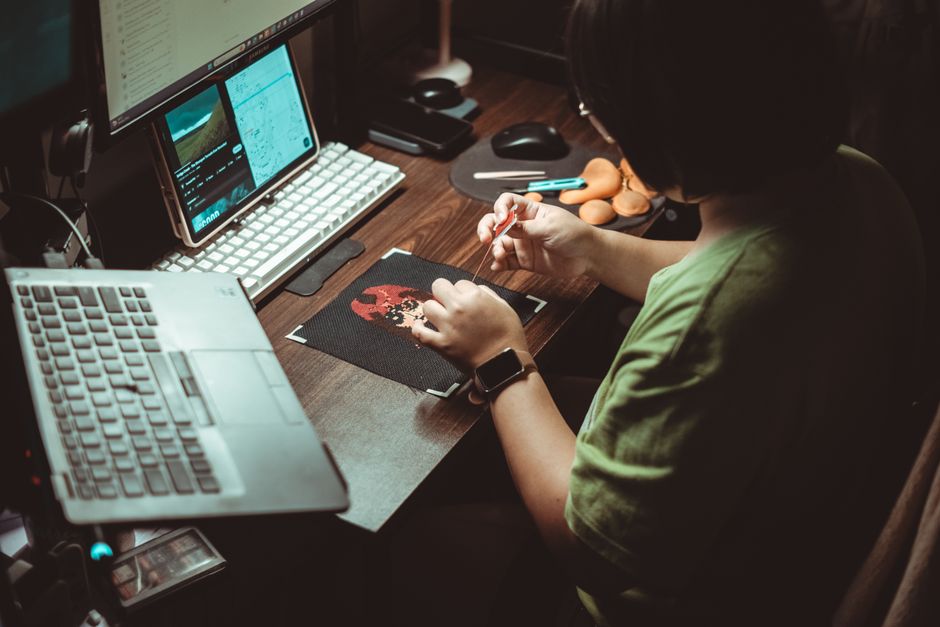
As the clock ticks toward the end of the day, the quiet corner of my art desk beckons. A sketchbook lies open, its blank pages inviting creativity, while a coffee mug sits nearby, still warm from the evening brew. I glance at the assortment of colored pencils and brushes scattered across the table, their chaotic arrangement a reminder of my last session. The urge to dive into a quick drawing is strong, yet the thought of the pencil needing sharpening halts my momentum. In this moment, the materials are close, but the lack of preparation creates an invisible barrier to starting.
Without a ready-to-start setup, I find myself hesitating. The simple act of reaching for a pencil turns into a frustrating search for the sharpener, which is tucked away in a drawer. This small delay can spiral, making it easy to lose focus and abandon the creative impulse altogether. When time is limited, such friction can derail my intentions, leaving the potential for personal style development untapped. Each moment spent fumbling for supplies pulls me further from the joy of creating, emphasizing how crucial it is to keep my art desk organized and my materials ready for action.
The First Step That Gets Skipped
As I settle into my art desk corner, the familiar sight of my sketchbook and a scattered array of colored pencils greets me. The coffee mug sits half-full, a warm reminder of the quiet block of time I have before the evening rush. Yet, as I reach for the blue pencil, I realize it’s dull, needing a quick sharpen. This moment feels rushed; I want to dive into my drawing, but the pencil's condition halts my flow. The materials are all visible, but they lack the organization necessary for a smooth start.
In the midst of this creative session, I find myself stuck in a loop of minor frustrations. I could easily grab the sharpener, but it’s buried under a stack of old sketches and loose papers. Instead of quickly transitioning into my art practice, I’m left sifting through clutter, losing precious minutes. The initial excitement of creating gives way to the annoyance of unprepared supplies, reminding me how often I skip the simple act of checking my tools before I sit down. A quick glance around my desk could have revealed the need to sharpen all my pencils ahead of time, ensuring that when I’m ready to open my sketchbook, I can jump right in without a hitch. This friction, though small, can derail my intentions and stifle the development of my personal style, making it clear that a ready-to-start setup is essential for maintaining my creative habits. Why This Approach Fails At my art desk corner, the sight of my supplies sprawled across the surface often brings a sense of comfort. However, when inspiration strikes, the reality of unprepared materials quickly becomes apparent. For instance, my favorite pencil lies there, but it’s dull and needs sharpening before I can even think about sketching. Instead of diving into my creative session, I find myself reaching for the sharpener, which is tucked beneath a pile of half-finished craft projects and stray papers.
This minor delay can snowball into a frustrating experience. As I sift through the clutter, I lose the momentum of my initial excitement, wasting precious minutes that could be spent developing my personal style. The time spent searching for the sharpener or deciding whether to start with a different pencil adds unnecessary friction to my creative process. Each moment of indecision chips away at my motivation, reinforcing the weak point in my routine when I’m under pressure.
To combat this, I’ve started implementing a quick check before each creative session. I now take a moment to ensure my primary tools—pencils, sketchbook, and even my coffee mug—are all within easy reach and ready for use. This simple adjustment not only clears the clutter but also sets the stage for a more fluid transition into my art practice. By keeping my desk organized and my supplies sharpened, I can open my sketchbook and start drawing without the frustration of unprepared materials holding me back.
A Better Order for Your Creative Setup
When I sit down at my art desk corner, I often find myself surrounded by an array of supplies—colored pencils, sketchbooks, and a coffee mug filled with pens—all visible but not necessarily ready for action. This clutter can lead to a frustrating start, especially during those quiet moments before work or after dinner when I want to dive into a quick creative session. The first step toward a smoother experience is to keep a checklist of essential supplies that I can quickly reference before beginning.
Instead of rummaging through drawers or searching for a sharpener, I’ve adopted a more organized approach. I now designate a specific spot on my desk for my most-used materials. For instance, my favorite sketchbook sits right next to my coffee mug, while a small container holds sharpened pencils and a couple of pens. This way, I can easily grab everything I need in one motion. Before I start drawing, I take a moment to check that my supplies are in their designated places. If I notice a pencil needs sharpening, I do that first, ensuring I’m not caught off guard mid-sketch.
This small adjustment has made a tangible difference in my creative sessions. By preparing my materials in advance and keeping them organized, I can open my sketchbook and begin without the friction of unprepared supplies. The clarity of having everything in order allows me to focus on developing my personal style rather than getting sidetracked by the chaos of my workspace.
This same friction shows up again in Starting New Hobbies Slowly, especially when the day tightens unexpectedly.
The Tradeoff of Immediate Access vs. Spontaneity
Having your creative materials organized and within reach can often feel like a double-edged sword. On one hand, the convenience of a tidy art desk corner allows for quick access to your sketchbook, pens, and other supplies, making it easy to dive into a creative session right after dinner. However, this immediate access can sometimes stifle the spontaneous flow of ideas that often comes when you’re not overly prepared. When everything is laid out neatly, there’s a tendency to overthink each stroke of the pencil, worrying more about how it fits into your developing personal style rather than letting the moment guide your creativity.
For instance, if your favorite sketchbook is sitting next to a freshly sharpened pencil, the temptation to start sketching immediately can lead to a rigid mindset. You might find yourself hesitating, wondering if your idea is good enough to put on paper. In contrast, when you leave your supplies slightly disorganized—perhaps your sketchbook is tucked away in a drawer, and your pencils are scattered—you might feel a rush of urgency to create before the moment passes. This can lead to more authentic expressions of your style, as you’re less likely to censor your ideas.
Ultimately, the tradeoff between having everything ready and allowing for spontaneity is a personal one. While being prepared can enhance your efficiency, it may also risk the playful exploration that fuels your creative hobbies. As you navigate this balance, consider setting aside time for both organized sessions and freeform doodling, allowing your art practice to flourish in different ways.
When This Setup Fits Best
If this pattern keeps repeating, Creative Hobbies For Adults extends the idea without leaving the niche.
A quiet block of time after dinner often presents the perfect opportunity for a short creative session. This is when your art desk corner, cluttered yet inviting, becomes a launchpad for your imagination. The sketchbook lies open, waiting, but the nearby pencils remain unsharpened. This small detail can create a significant friction point. Instead of diving into your ideas, you find yourself distracted by the need to prepare your materials.
To mitigate this, consider establishing a ready-to-start setup. Before your next session, take a moment to sharpen your pencils and lay out your favorite colors next to the sketchbook. This simple act transforms your workspace into a welcoming environment. When you sit down, you can immediately grab a pencil, rather than wasting precious minutes fumbling for supplies. This setup not only reduces friction but also invites you to engage more freely with your creative hobbies.
In moments where time is limited, like after a long day at work, having your materials prepped can make all the difference. You can focus on the act of drawing rather than the logistics of getting started. By keeping your art desk organized and your supplies within easy reach, you create a space that encourages spontaneous creativity, allowing your personal style to develop organically.
When the art desk is cluttered with supplies but unprepared, it can create a barrier that stifles creativity. For instance, if your sketchbook is tucked away and your pencils are dull, the moment you sit down to create can quickly turn into a frustrating search for tools. Instead of diving into your craft project, you might find yourself wasting time sharpening pencils or rummaging through drawers. This friction not only disrupts your flow but can also make you less inclined to start at all.
To counteract this, establish a quick check routine before your creative sessions. Ensure your sketchbook is open and your favorite pencils are sharpened and within reach. By taking just a few minutes to set up, you can transform your art desk into a space that invites you to create. The next time you have a quiet moment, like after dinner, sit down and open that sketchbook first. This small act can help you jump straight into your drawing, keeping your personal style development on track even on the busiest days.
