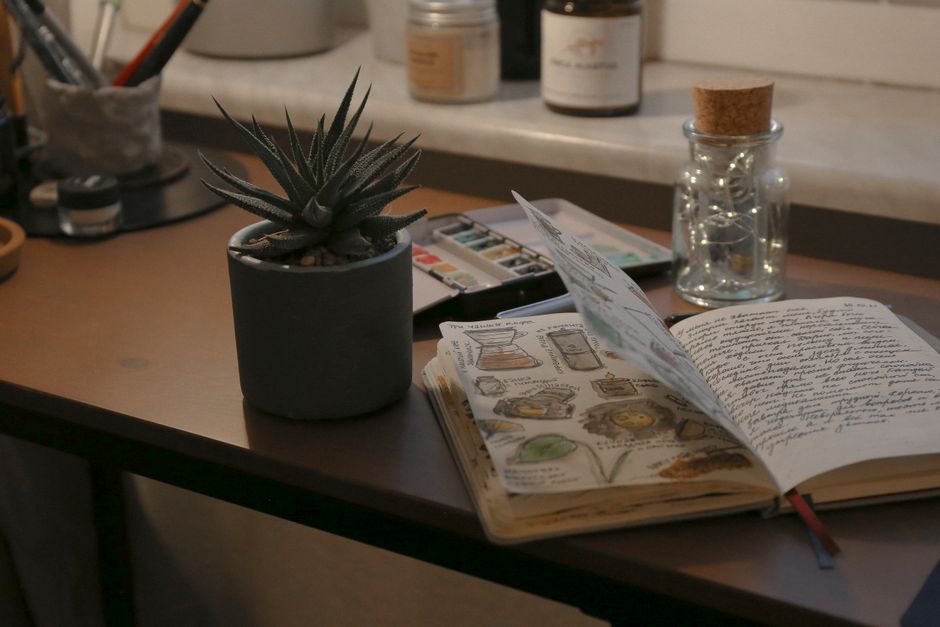
As the sun begins to set, casting a warm glow over the cluttered home desk, the sketchbook lies open, its pages blank and waiting. A coffee mug sits nearby, steam curling into the air, while a pen rests lazily on the edge of the table. This is a familiar scene for many adults trying to rekindle their creative spark after a long day. Yet, as the evening unfolds, the urge to sketch often fizzles out, leaving the page untouched. The simple act of opening the sketchbook can feel daunting, especially when the next page isn’t marked, and the flow of ideas is interrupted by uncertainty.
In these moments, a small oversight can derail the entire creative session. Without a clear indication of where to begin—the next page not chosen or a note left unmade—the initial excitement can quickly turn into frustration. This friction often stems from a lack of preparation, where the next step in the creative process is never clearly defined. By taking a moment to jot down an idea or mark the next page before closing the sketchbook, the transition into the next session becomes smoother, allowing for a more fluid return to creativity when the time comes to draw again.
The Routine That Should Flow
At your art desk, the scene is set: your sketchbook lies open, a pen rests ready, and a warm cup of coffee sits invitingly to the side. The intention is clear—spend the next 30 minutes sketching freely, allowing your creativity to flow without interruptions. You take a deep breath, feeling the anticipation of putting pen to paper, eager to capture the ideas swirling in your mind.
As you begin, you flip to a fresh page in your sketchbook, letting the blank canvas inspire you. The first stroke of the pen marks the start of your session, and you dive into drawing, letting your hand move organically. You might start with simple shapes or doodles, gradually building into more complex forms as your confidence grows. This rhythm feels natural, each line flowing into the next, creating a sense of continuity in your creative process.
However, if the next page isn’t marked or an idea isn’t jotted down before you close the sketchbook, the next session can feel daunting. You might find yourself staring at the blank page, unsure of where to begin. This friction disrupts the flow and can lead to frustration. To avoid this, take a moment at the end of each session to jot down a quick note or mark the next page, ensuring you have a clear starting point for your next creative endeavor. This small adjustment can make a significant difference in how smoothly you transition into your next sketching session, allowing your creativity to thrive instead of stall.
Where the Flow Breaks Down
As you sit down at your home desk, the familiar sight of your sketchbook and pen brings a spark of excitement. However, as you open the sketchbook, the next page stares back at you—blank and unmarked. That initial thrill quickly shifts to a feeling of pressure. Instead of diving into your drawing, you hesitate, feeling the weight of that empty canvas. The anticipation you had moments ago transforms into anxiety, making it all too easy to reach for your phone instead, scrolling mindlessly through social media.
This subtle shift in mood is the first visible sign of drift in your creative routine. You had planned to sketch a few ideas for your next craft project, but now, the time slips away as you find yourself lost in distractions. The blank page has become a psychological barrier, blocking the flow of creativity. If you had taken just a moment at the end of your last session to jot down a quick note about what you wanted to draw next or even marked the next page with a simple shape or idea, you would have had a clear starting point. Instead, you're left staring at that empty space, feeling unprepared and uninspired.
Next time, consider setting a small reminder to mark the next page before you close your sketchbook. A simple line or a few words can act as a bridge, easing the transition into your next session. This small adjustment can help prevent the drift from excitement to hesitation, allowing your creative habit to flourish instead of falter.
This same friction shows up again in Starting New Hobbies Slowly, especially when the day tightens unexpectedly.
A Simple Correction to Reclaim Creativity
Before setting aside your sketchbook for the evening, take a moment to prepare for your next session. Instead of closing it without a second thought, flip to the next page and draw a small doodle or write a few words about what you want to sketch next. This simple act transforms the blank page from a daunting barrier into a welcoming invitation. It’s a minor adjustment that can significantly ease the transition into your next creative block.
Imagine you’ve just finished a quick drawing of your coffee mug, and as you close the sketchbook, you realize you haven’t marked the next page. The next time you sit down, you’ll face that empty space, and the hesitation may creep in. However, if you had taken just a moment to sketch a rough outline of an idea or a few keywords—like "flowers" or "patterns"—you’d have a clear entry point. This small correction reduces the intimidation of starting anew, allowing your creativity to flow more freely. Next time, make it a habit to leave a note or a simple shape on the edge of the page before you close your sketchbook. It’s a small but powerful shift that can make all the difference in your creative routine.
What Becomes Easier After the Change
If this pattern keeps repeating, Creative Hobbies For Adults extends the idea without leaving the niche.
With your next page already marked, the transition into sketching becomes seamless. Instead of staring at a blank page, you can immediately dive into drawing, whether it’s a quick sketch of your favorite plant or a new pattern idea. This small adjustment eliminates the mental barrier that often accompanies starting anew, allowing your creativity to flow more freely. The act of marking the next page can be as simple as drawing a small flower or jotting down a word like "inspiration" in the corner. This way, when you open your sketchbook again, you’re greeted with a prompt rather than an empty void.
Over time, this simple act fosters a habit of returning to your sketchbook without the dread of facing a blank page. Each evening, after dinner, when you sit at your home desk with your coffee mug beside you, the sketchbook becomes a welcoming space rather than a daunting task. You’ll find that your journaling sessions are more productive, as you can quickly sketch out ideas that have accumulated throughout the day. The next time you sit down, you’ll feel a sense of anticipation rather than hesitation.
In your next creative block, try to remember this adjustment. As you place your pen down at the end of a session, take a moment to mark the next page. This small, intentional action not only sets you up for success but also transforms your entire creative routine. You might even notice that your sketches become more spontaneous and experimental, as the pressure to create something perfect dissipates. By simply marking that next page, you create a bridge to your next session, making it easier to pick up where you left off.
As you finish your sketching session, take a moment to flip to the next page in your sketchbook and mark it with a simple note or a quick doodle. This small act not only signals where to start next time but also reduces the mental friction of finding a fresh canvas. The next time you approach your desk, the anticipation of diving into your creative practice will replace any hesitation. You'll find that the transition from one session to the next becomes seamless, allowing your ideas to flow more freely.
Next time you sit down to sketch, remember to check that the next page is marked. This simple adjustment can transform your creative routine, making it easier to engage with your art practice after a long day. By creating this small connection between sessions, you cultivate a habit that nurtures your developing personal style, encouraging you to explore and experiment without the weight of uncertainty.