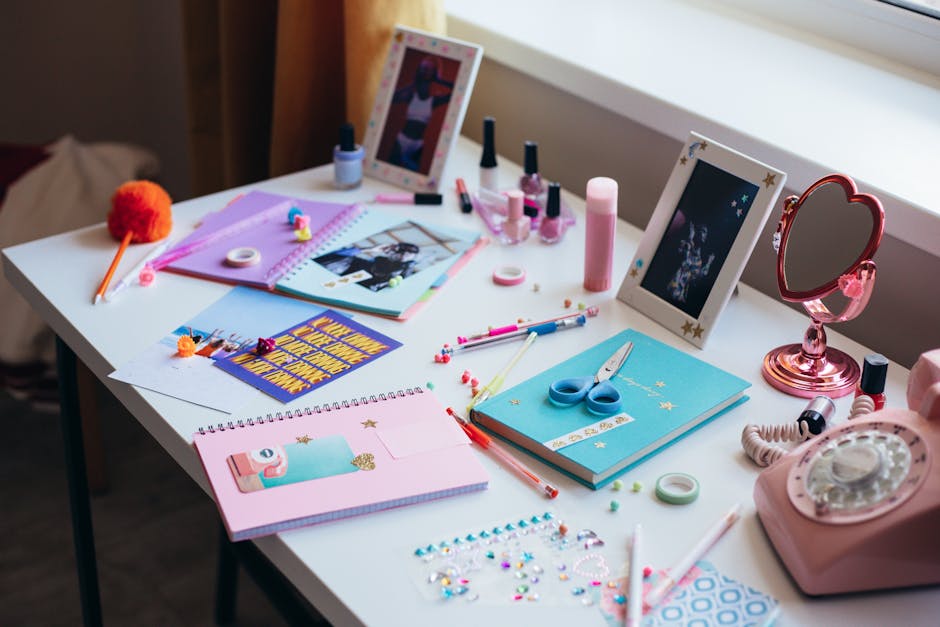
As the soft glow of the lamp illuminates the cluttered surface of my home desk, I find myself staring at a zipped bag of art supplies. It’s a quiet block of time, just before work, and the prospect of opening my sketchbook feels both inviting and daunting. The thought of drawing again, after months of creative silence, stirs a flicker of excitement. Yet, the supplies remain untouched, and the setup looms larger than the act of creating itself. I know I want to dive back into my art practice, but the idea of unpacking everything feels like a hurdle I can’t quite clear.
Reaching for the bag, I realize that I’ve skipped a crucial step: the simple act of laying out my materials. Instead of diving in, I’ve let the anticipation of a full creative session build a wall of hesitation. The sketchbook, still pristine, sits waiting for my first mark, while the pen lies idle, just out of reach. This friction between intention and execution is all too familiar. It’s not just about having the right tools; it’s about overcoming the inertia that builds when the act of starting feels bigger than the joy of creating.
The Setup That Overwhelms
The lamp casts a warm glow over my cluttered work surface, illuminating a small mountain of supplies that remain zipped inside a bag. The sketchbook, a blank canvas waiting for my thoughts, sits just beyond reach, while my favorite pen lies nestled in the depths of the bag. It’s a quiet moment, just before work, when the world feels still, yet the anticipation of creating is laced with anxiety. I want to draw, but the thought of unpacking everything feels like an insurmountable task.
As I sit there, coffee mug in hand, I can’t help but feel the weight of my hesitation. The supplies, though ready, seem to mock my inaction. I know I should simply unzip the bag and lay everything out, but instead, I find myself staring at the sketchbook, imagining the drawings that could emerge. Each moment of delay adds to the pressure, turning the act of starting into a daunting chore rather than a joyful escape.
To shift this dynamic, I decide to take a small step: I place the coffee mug down and reach for the bag. With a quick motion, I unzip it, pulling out the sketchbook and pen, placing them directly in front of me. This simple action, though small, breaks the spell of inertia. Now, with the materials visible and accessible, I can finally see the potential of my creative session. It’s a reminder that sometimes, the most significant barrier is not the act of creating itself, but the setup that feels larger than life.
A Small Drift in Focus
At my art desk, the lamp casts a warm glow over the scattered supplies, each item waiting for attention. The sketchbook lies open, but instead of diving in, I find myself arranging the pens, trying to decide which colors to use. I glance at the clock—only a few quiet minutes before I need to start work. The intention to create is there, yet I’m caught in a loop of organizing rather than drawing. This moment of indecision makes it all too easy to overlook the real task at hand.
As I set the pens down, my phone buzzes with a notification, pulling my focus away from the sketchbook. I hesitate, torn between the urge to check it and the desire to sketch. The materials, instead of being a pathway to creativity, become a barrier, as I lose that initial spark. I realize I’ve spent more time fussing over the setup than actually creating. To break this cycle, I decide to shift my approach: I grab the sketchbook and flip to a blank page, ready to draw without worrying about the perfect setup. Just opening the sketchbook and placing my pen on the page feels like a small victory, reminding me that the act of creation can begin with a simple decision to start, rather than a lengthy preparation. What the Drift Changes Next The moment I close the sketchbook, a wave of disappointment washes over me. I glance at the clock on my desk; it’s already been twenty minutes since I sat down, yet I haven’t drawn a single line. The initial excitement I felt about returning to my art has faded into a frustrating sense of lost time. Instead of capturing ideas on paper, I’ve let my creative energy slip away, tangled in the setup that felt too daunting.
As I put the sketchbook back on the shelf, I notice my coffee mug is still half-full, a reminder of my unfulfilled intentions. I realize that every minute spent organizing supplies or checking my phone is a minute taken away from the actual act of drawing. The materials that were supposed to invite creativity now sit zipped in a bag, untouched. I could have easily opened the sketchbook and sketched a few lines, but instead, I let the drift of indecision dictate my session.
With the sketchbook closed, I feel a twinge of regret. I know I could have just taken a moment to open it, place my pen on the page, and let the ideas flow freely. Instead, I’m left with the weight of unmet expectations. This cycle of hesitation creates a barrier, making it harder to return to my art practice. The drift doesn’t just steal my time; it dulls my enthusiasm for the next creative session, making me question whether I’ll even try again tomorrow.
A Quick Fix for Creative Flow
A slightly different version of this problem appears in Creative Hobbies For Adults, where the sequence changes but the hidden drag feels familiar.
The lamp casts a warm glow over my art desk, illuminating the sketchbook that lies closed beside my coffee mug. I can feel the weight of the unstarted sketches pressing down on me, and I know that the longer I hesitate, the harder it becomes to dive back into my creative practice. To break this cycle, I decide to set a timer for just five minutes. This small commitment feels manageable and inviting, reducing the pressure that often accompanies longer sessions.
Before I start the timer, I take a moment to prepare. I open the sketchbook and uncapped my pen, placing it directly on the first page. This simple act eliminates the extra steps that often derail my focus. With everything ready, I hit the timer and let my hand flow across the page without worrying about the outcome. The act of sketching becomes a release, a way to reconnect with my creativity without the burden of expectations.
As the timer ticks down, I find that the initial friction of setup fades away. Instead of feeling overwhelmed by the thought of what I should create, I’m simply engaged in the act of drawing. The sketches don’t need to be perfect; they just need to exist. This five-minute commitment has become a small but effective repair step in my creative routine, allowing me to reclaim my enthusiasm and keep the sketchbook open for future sessions.
The Part Worth Repeating Tomorrow
If this pattern keeps repeating, Starting New Hobbies Slowly extends the idea without leaving the niche.
As I sit at my lamp-lit work surface, the quiet of the early evening wraps around me. My sketchbook lies open, but the supplies remain zipped in a bag, a barrier to creativity that feels heavier than it should. The act of simply pulling out my colored pencils and laying them next to my coffee mug can feel like a daunting task, yet it’s a crucial step in breaking the cycle of inaction. I remind myself that the first move is just to unzip that bag and place the materials on the desk, ready for use.
In this moment, I realize that the friction of setup often overshadows the joy of creation. I take a moment to check my supplies: the sketchbook is blank, the pen is uncapped, and the pencils are arranged by color. This small act of preparation transforms my workspace into an inviting zone for creativity. Instead of feeling overwhelmed by the thought of what to draw, I focus on the tactile pleasure of the pencil gliding across the paper. The act of drawing becomes a simple pleasure, a tangible way to express my thoughts without the weight of expectation.
Establishing this routine—unpacking my materials and setting them out—creates a repeatable pattern that can easily fit into my evenings. Each time I engage in this short creative session, I find that the initial resistance fades, making it easier to return to my art practice. By focusing on the immediate action of opening my sketchbook and preparing my tools, I create a seamless transition into creativity that can stick, even on busy days.
As I sit at my lamp-lit work surface, the quiet of the evening wraps around me, creating a perfect backdrop for creativity. The sketchbook lies open, yet the supplies remain zipped in their bag, a reminder of the friction that often halts my practice. I realize that simply unzipping the bag and laying out my tools—a pen, some colored pencils, and a notebook—can bridge the gap between intention and execution. This small act transforms my desk into a welcoming space, ready for my thoughts to flow onto the page.
Next time I feel the urge to create, I’ll start by opening that sketchbook and placing my favorite pencil within reach. This simple setup, done even before I sit down, can help dissolve the mental block that makes starting feel daunting. By reducing the setup to just a few seconds of action, I make it easier to dive back into my art practice, turning a moment of hesitation into an opportunity for expression.
